An infant in Wisconsin has died of measles, the first such death in the state since 1990.
The Wisconsin Department of Health Services (DHS) announced the death on Thursday, Nov. 5, in a news release that linked it to the ongoing outbreak in southwestern Wisconsin. A coroner listed the immediate cause of death as measles. DHS said it would not release the child's age, gender or location to protect the family's privacy.
The outbreak has now reached 431 confirmed cases across 13 counties, the highest number in more than 35 years. Nine people have been hospitalized. Of those 431 cases, 428 were in people who were not vaccinated, according to WISN.
Waukesha County is among the 13 counties reporting cases. Most cases remain concentrated in Grant, Iowa, Lafayette, Vernon counties in the southwestern part of the state; as well as Chippewa County.
'My heart is broken'
DHS Secretary Kirsten Johnson called the death a preventable tragedy.
"It is with a heavy heart we are reporting the first death of an infant connected with a measles outbreak in Wisconsin in many years. My heart is broken for the family," Johnson said in the release. "Any death of a child is a tragedy and even more so when it is related to a vaccine-preventable disease."
Wisconsin joins Pennsylvania and New York in reporting measles deaths this year, the Milwaukee Journal Sentinel reported.
State recommends early vaccine for some infants
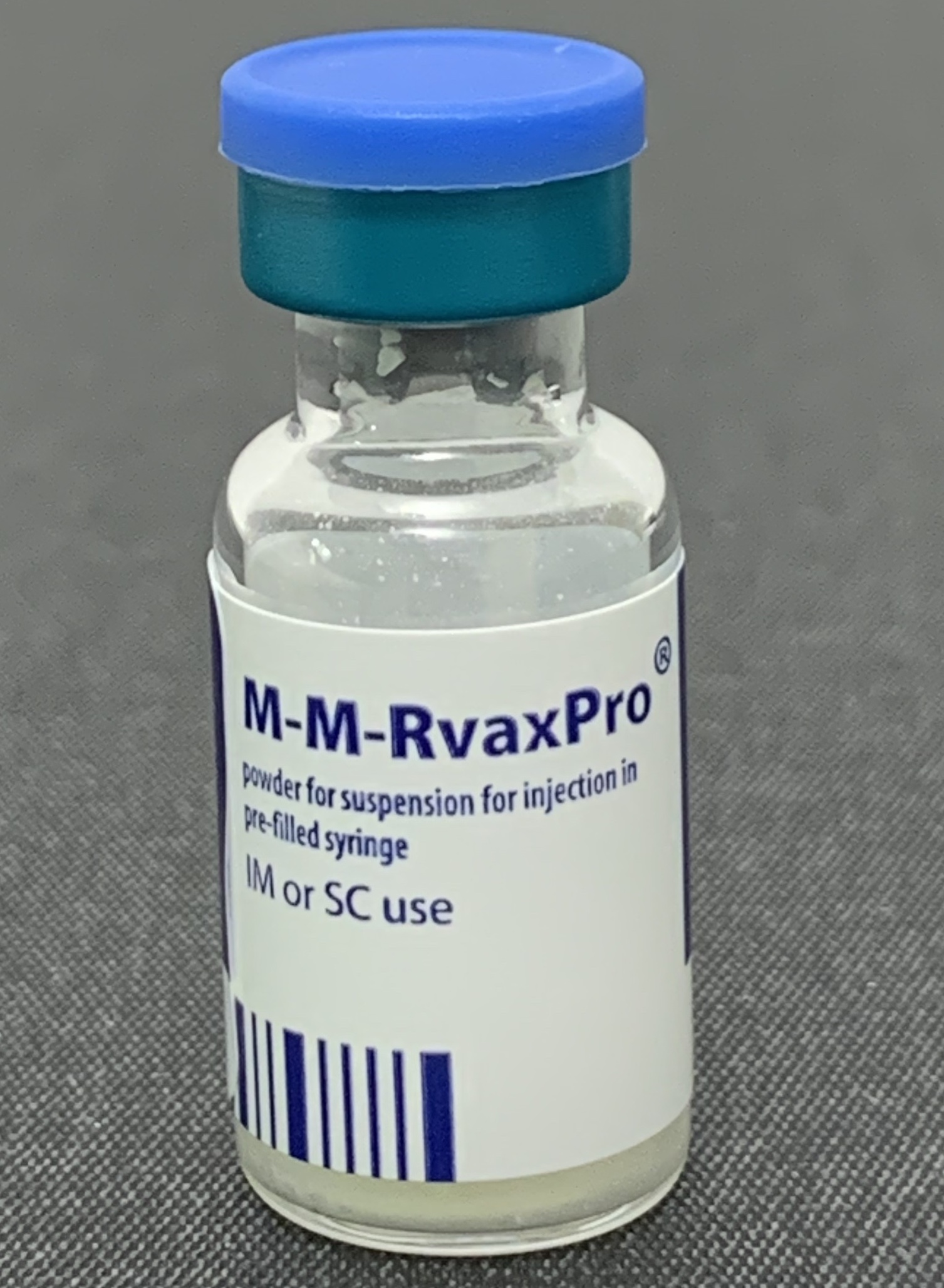
Two days before announcing the death, DHS issued Health Alert #73 on Nov. 3 recommending early measles, mumps and rubella (MMR) vaccination for infants aged 6 to 11 months. The recommendation applies to infants who are "members of a family or community that is likely to be exposed to measles," not to every infant in the state.
Children typically receive their first MMR dose at 12 to 15 months. The early "zero dose" does not count toward the routine two-dose series. A child who receives it still needs two more doses starting at age 12 months.
DHS noted the early dose is safe but less effective than one given later. The estimated effectiveness of a dose given before 9 months is about 58%, compared with about 83% for doses given at 9 months or older, according to the health alert.
Transmission has been concentrated in close-knit communities where vaccination coverage is low, primarily within some Amish and Mennonite communities, the health alert stated.
How to check vaccination status
DHS said it has delivered more than 2,000 doses of MMR vaccine to local health departments since Aug. 1, 2026, according to the Milwaukee Journal Sentinel. Health care providers across Wisconsin have administered more than 42,000 doses during that period.
Two doses of the MMR vaccine are approximately 97% effective at preventing measles, according to DHS.
Residents can check their vaccination records through the Wisconsin Immunization Registry at dhfswir.org or by contacting a health care provider. Anyone who develops a fever and rash, especially after possible exposure, should call a doctor's office before visiting to avoid exposing others.
The MMR vaccine is available at doctors' offices, local health departments and pharmacies. Cost assistance is available through the state's Vaccines for Children and Vaccines for Adults programs.