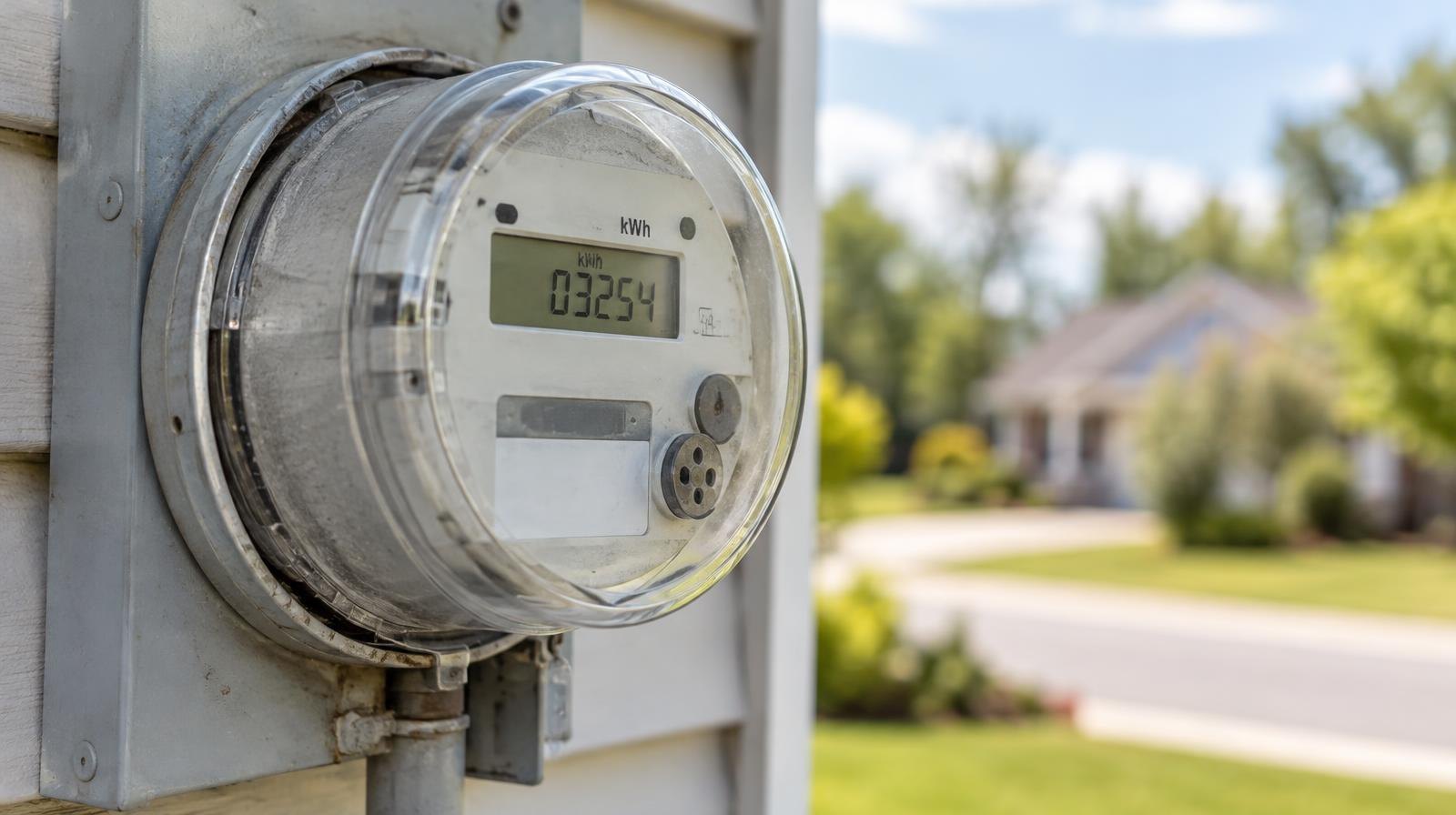
We Energies customers in the Kenosha area can expect a credit of $13 to $14 on their October or November bills.
The utility over-projected its fuel costs for 2025, and the difference is coming back to customers as a credit of 2 cents per kilowatt-hour used in October, the Milwaukee Journal Sentinel reported. Providers bill customers based on projected energy costs, and actual costs came in lower than We Energies had estimated.
The credit lands at an unusual moment. On Thursday, Nov. 5, the Public Service Commission of Wisconsin voted to approve a rate hike for We Energies, as we reported Nov. 6. That means customers are getting a small refund on current bills while facing higher rates starting in 2027.
Warm fall, lower usage
October's warmth played a role in lower bills, too. Temperatures ran almost five degrees above normal for the month, according to the National Weather Service. We Energies calls October a "shoulder month," the transition between air-conditioning season and heating season.
"Many of our customers have not turned on their furnaces yet," a We Energies spokesperson said, according to the Journal Sentinel.
The average residential customer used less natural gas in October 2026 than in October 2025, the utility said.
Rate hike still ahead
The near-term credit contrasts with what's coming. The PSC reduced We Energies' requested rate increases but still approved a 3.9 percent base electric rate hike in 2027 and 3.5 percent in 2028, Wisconsin Public Radio reported. A typical residential customer's monthly electric bill is expected to rise $7 to $8 in 2027 and $6 to $7 in 2028, according to estimates from WEC Energy Group, We Energies' parent company.
The commission also authorized the return of more than $25 million to We Energies customers, according to a PSC press release. Regulators reduced the utility's profit rate from 9.8 percent to 9.5 percent, Wisconsin Public Radio reported.
Tom Content, executive director of the Citizens Utility Board of Wisconsin, an independent consumer advocacy group, said regulators sent a message that "costs are going to be scrutinized more carefully because affordability is front and center," according to Wisconsin Public Radio.
A typical We Energies residential customer's bill increased 33 percent from 2022 to 2026, according to the Citizens Utility Board.
Winter outlook
We Energies' early projections estimate the upcoming winter will be a regular season for heating bills, if not slightly cheaper, the Journal Sentinel reported. Past El Niño winters in Wisconsin have brought less snow, higher temperatures and a shorter winter in general.